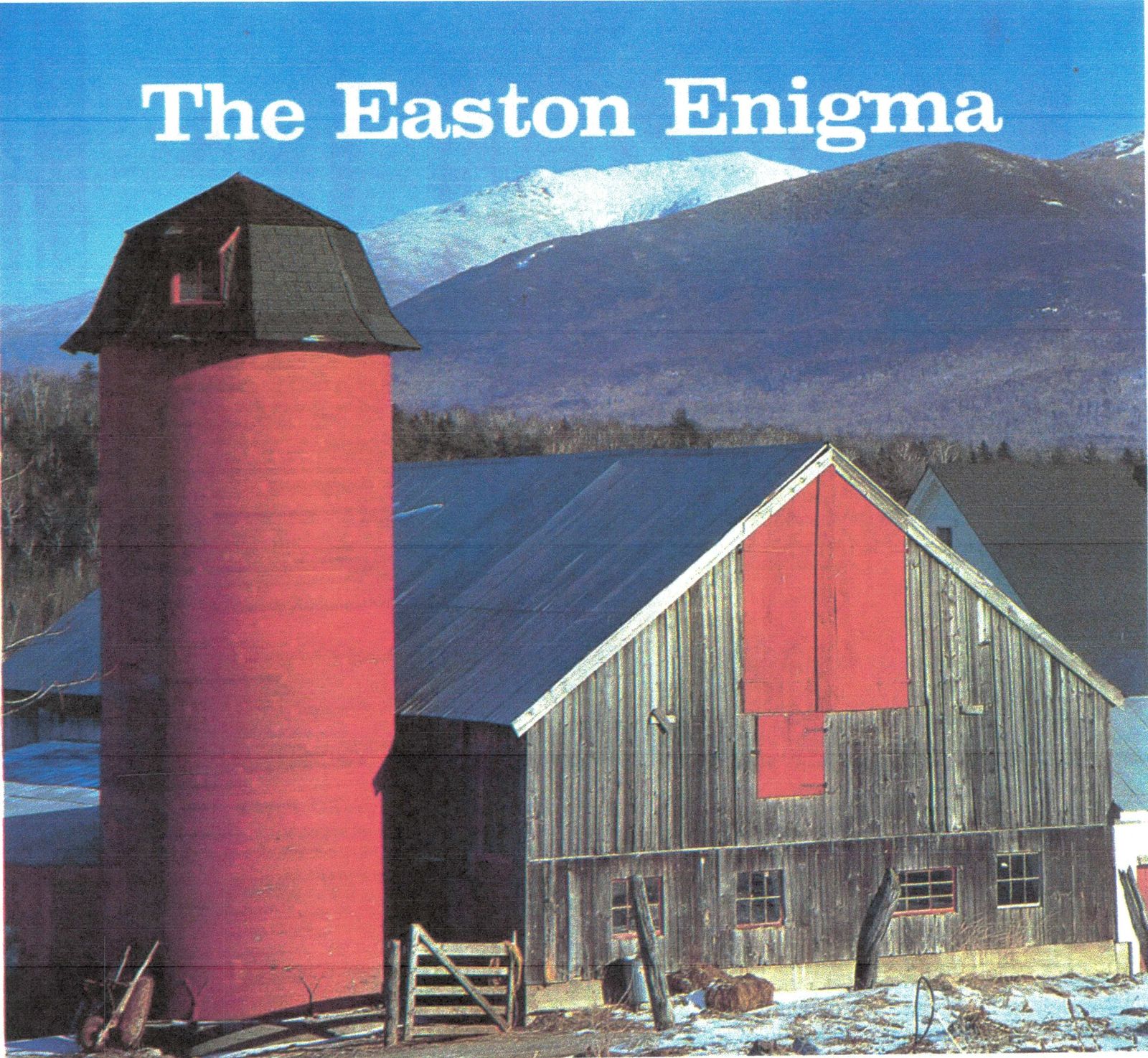
Story and Photographs by Stephen T. Whitney
Republished by Brian Suthoff
According to VTN Consolidated, Inc., the single biggest issue in the Franconia Notch study is a value judgment: "What is one man's wilderness is another man's roadside picnic ground." The one basic argument voiced against the alternate routes: "Isn't my land as valuable as the land in the Notch?"
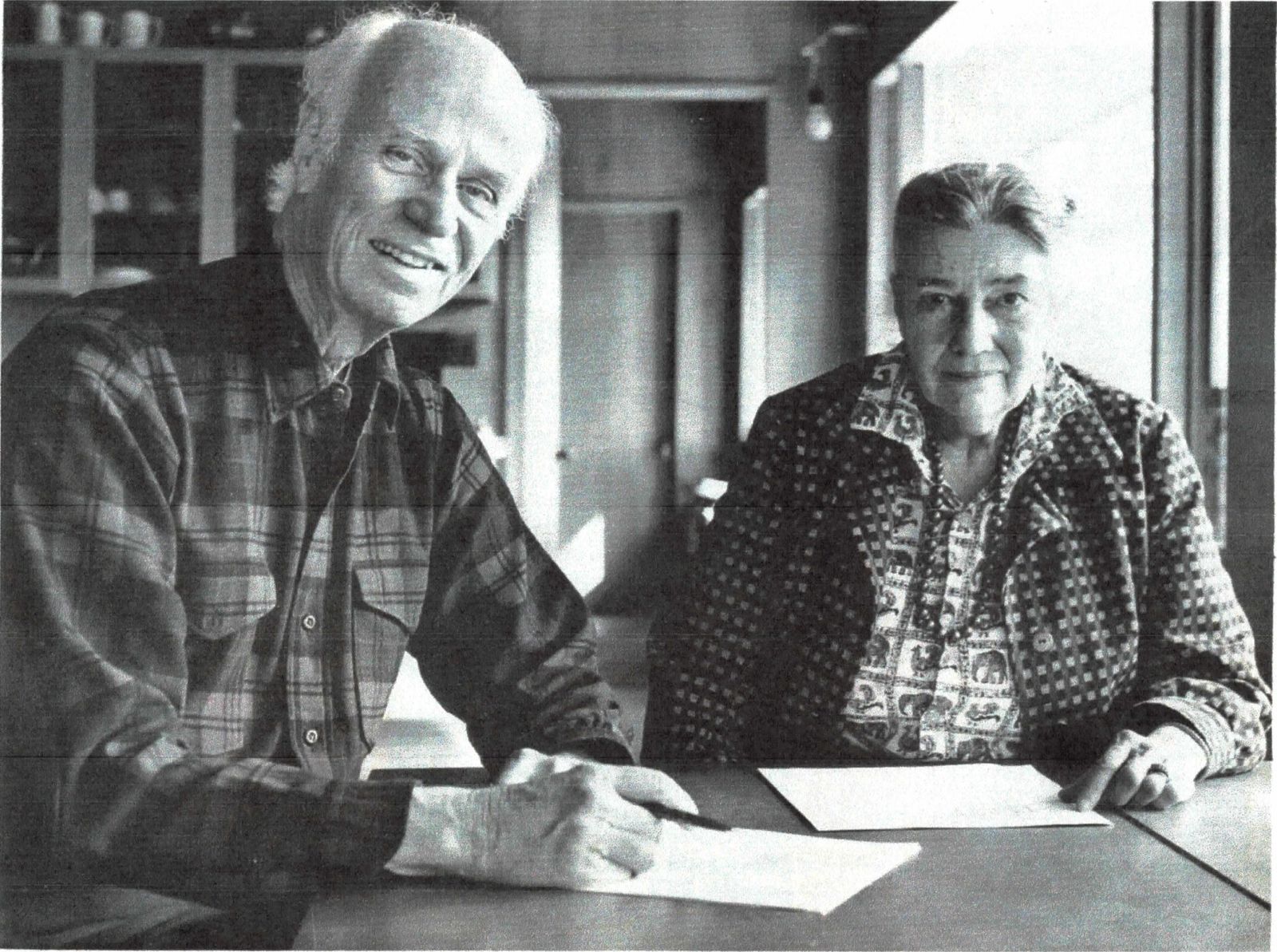
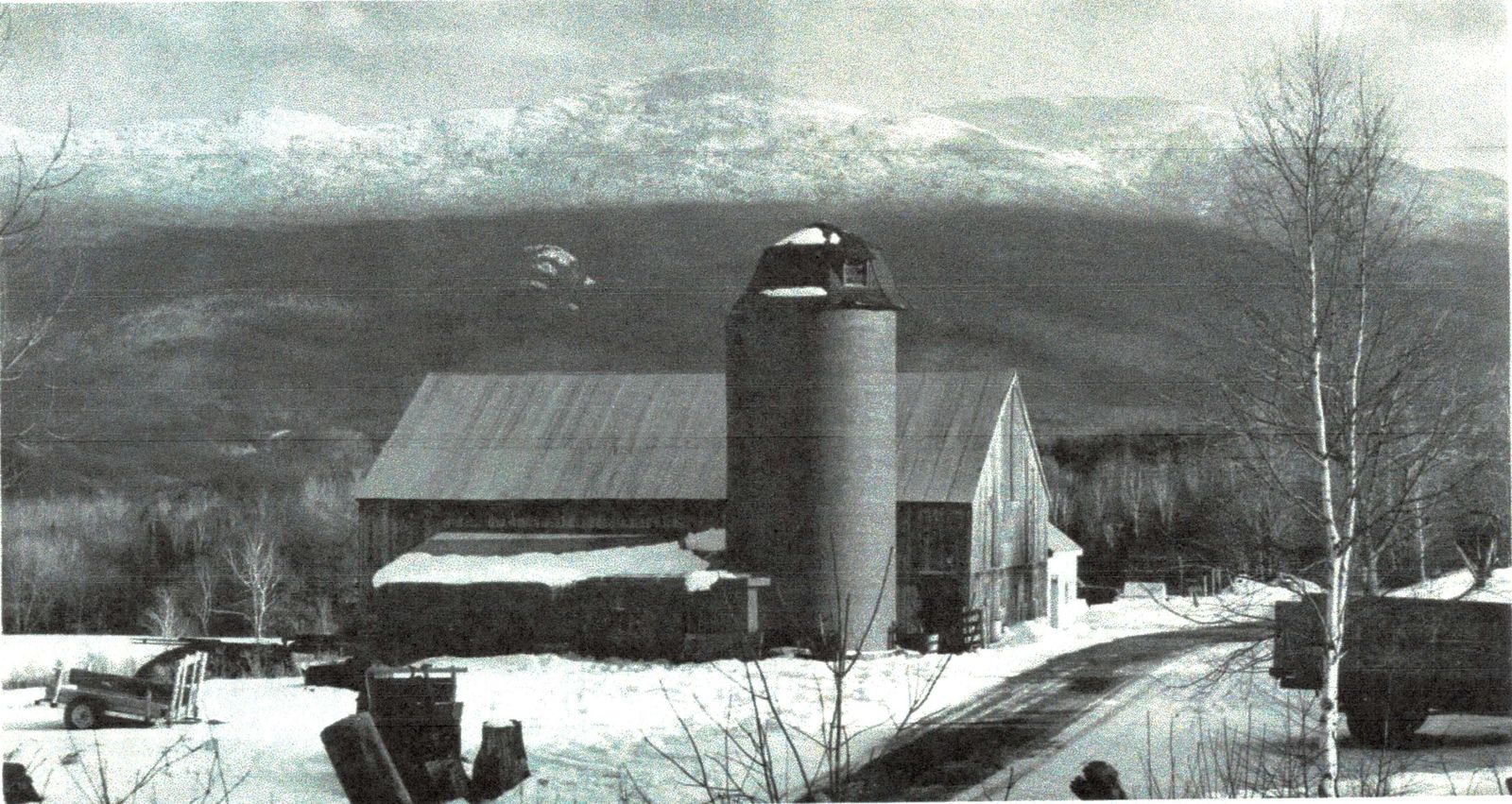
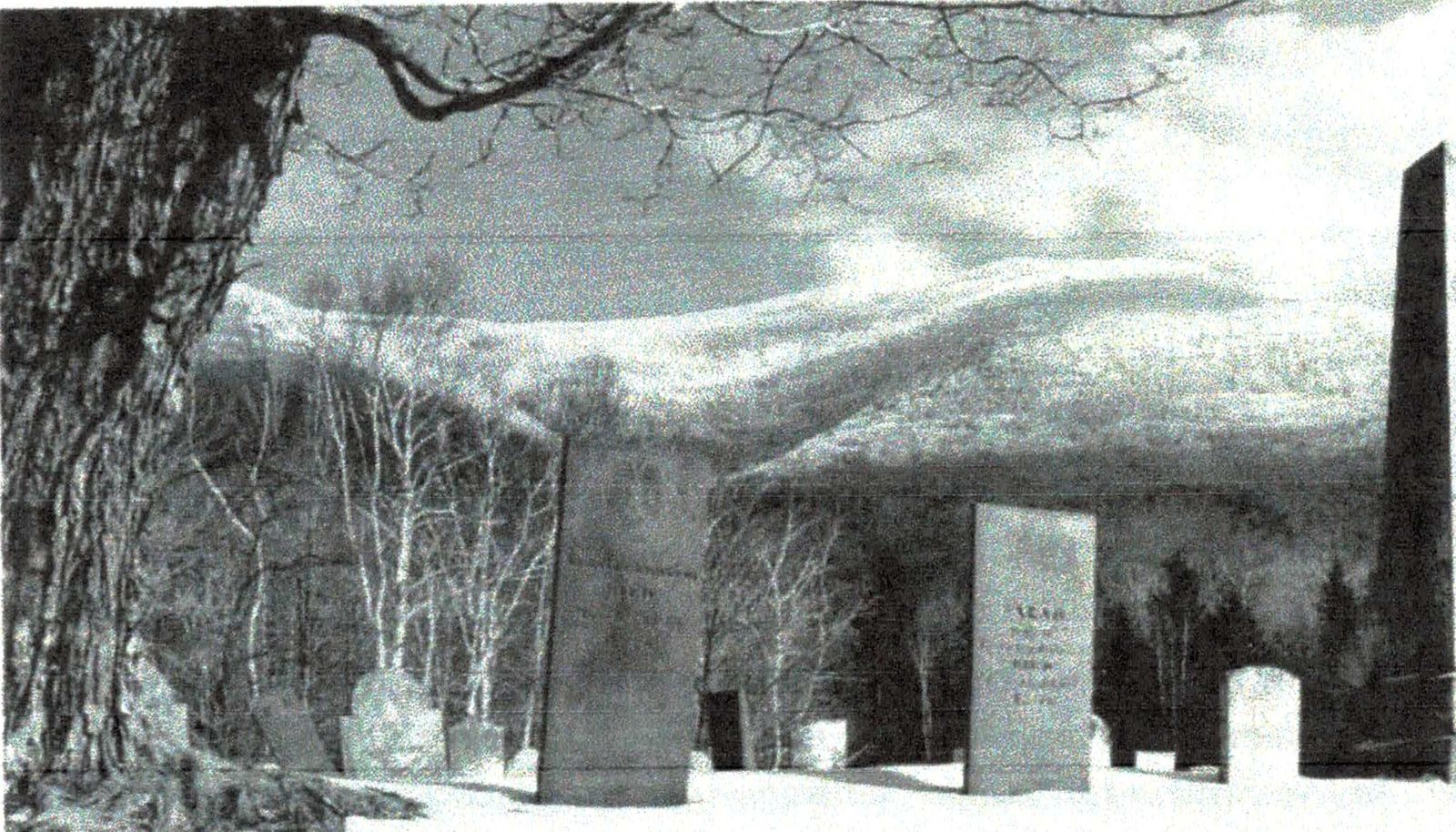
By any rational rule-of-thumb, the people of Easton enjoy a domain that is comfortably removed from the vicissitudes and aggravations plaguing so many of their contemporaries. Their world is a valley, washed and leveled an epoch ago by Ham Branch. It is sheltered from the rest of the world by a ring of guardian mountains, from Kinsman, on the east, to Moosilauke, on the south, and by a range of lesser hills to the west. Northward, the valley opens into the neighboring town of Franconia. There, at the end of its course, Ham Branch joins Gale River, the parent stream draining the northern watershed of Franconia Range.
The valley's natural isolation fostered the town's political independence. Until 1876, it was the eastern precinct of Landaff, denied close ties with the rest of the town by the same hills that shut out the western world today. The granting of autonomy relieved its people of this awkward arrangement. Easton boasts no central village around which the rest of the town gathers. For the most part, its homesteads, old and new, are arranged along the valley in neighborly fashion. Only a few of its bolder settlers ventured on to the lower pitches of the hills and mountains above the valley. Its world was further secured early in the present century by the creation of the White Mountain National Forest. The town's timbered walls were placed in the custody of the great preserve.
But these are not rational times in Easton. After a century of easy and unruffled seclusion, the tranquil tenor of valley life was disturbed by the unexpected visit of a young lady. Working out of Campton Lower Village, she was in the employ of a consulting firm that had been retained by the State Highway Department to prepare a study of highway needs and feasibility in the controversial Franconia Notch area. The unequivocal purpose of her meeting with Easton's town fathers and a small group of citizens was to sample town sentiment. From its preliminary work, the consultants were prepared to recommend that their further studies be confined to four potential highway corridors. Two of the corridors, their base studies indicated, would pass through the town of Easton.
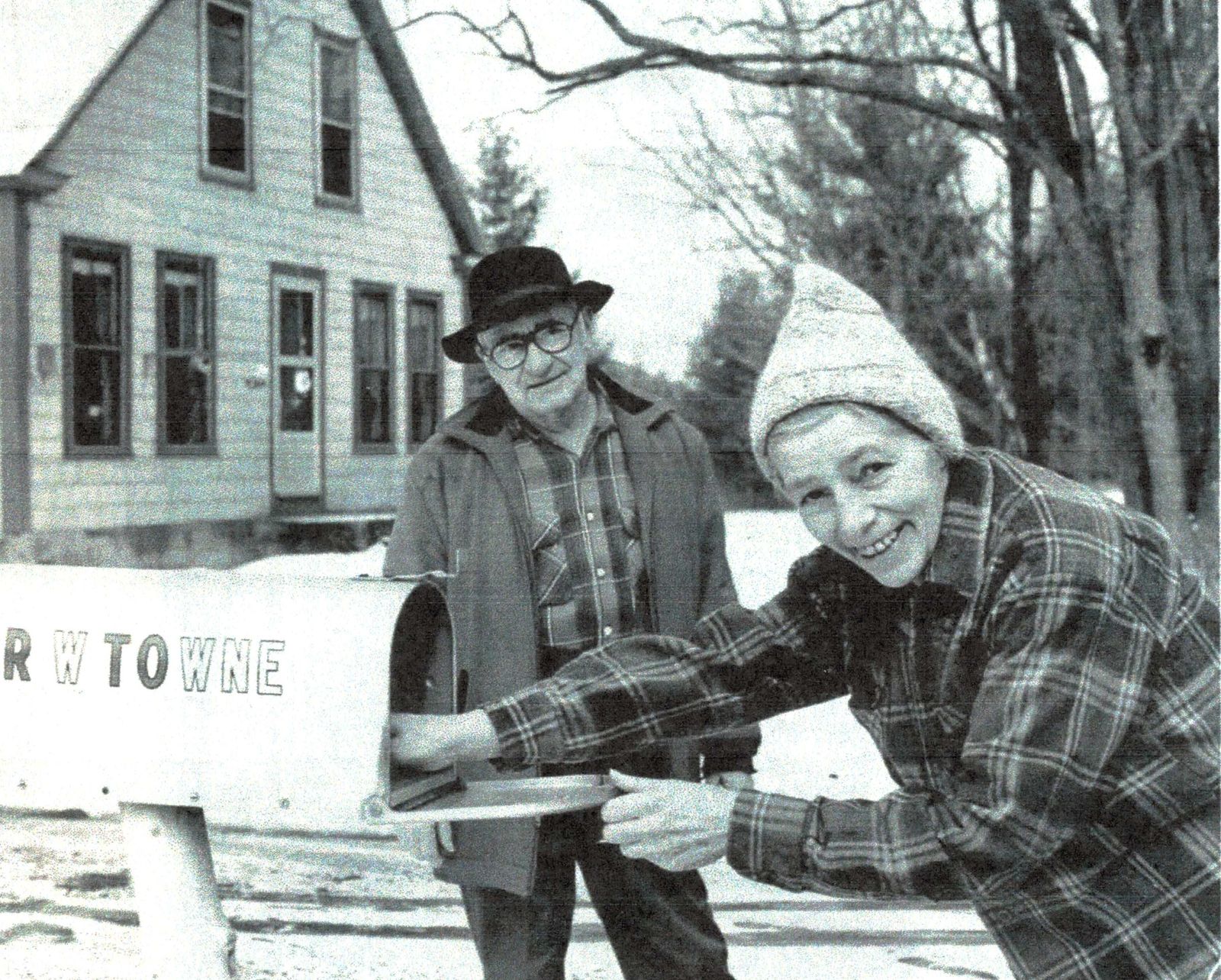
Forewarned is forearmed. One distinct advantage accrued to Easton in its initial period of duress: its size. With exactly one hundred names on the town's checklist, it was possible to move swiftly. Whatever evidence further study and discussion of highway development in the Easton valley, the valley's inhabitants were united to speak with one voice to protect what they view as their fundamental interests, as well as the valley itself. Furthermore, the voice they chose to be heard was not that of concerned citizens, but the voice of the Town. Bearing the official imprint of the Planning Board and the unqualified endorsement of the Board of Selectmen, the Town of Easton articulated a formal policy statement.
The rationale of the statement was unmistakably clear and succinct. It identified Franconia Notch as the focal point of both the highway problem and its solution, underlining the need to preserve the Notch's unique character as well as to serve both the public and the established economic interests.
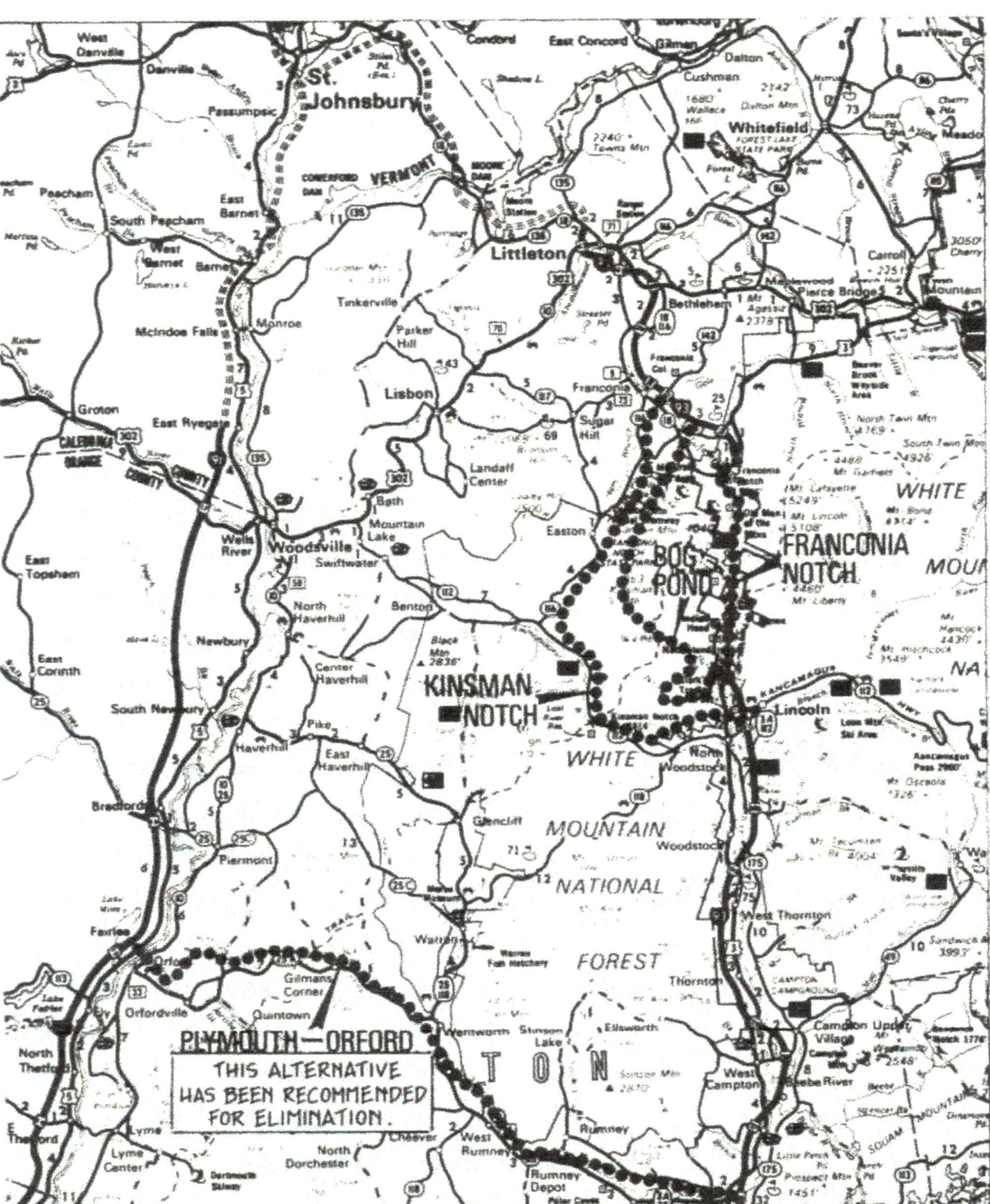
Turning itself to the three alternate corridors under study that lie outside Franconia Notch, it dismissed one—the Plymouth-Orford corridor—out-of-hand as a 'scheme' that would ravage the Baker River valley without addressing itself in any manner to the basic highway problem in Franconia Notch.
The chief thrust of the statement was reserved, as could be anticipated, for the two remaining corridors cited for consideration. Economic evidence was assembled to rationalize opposition to both of the suggested Easton corridors. A second argument was developed that does not lend itself to statistical support but fires an emotional head of steam. It cites the impact of a massive road building project upon the fragile balance of nature in the Easton valley and upon the people who choose to dwell therein. In effect, it reasoned that seeking relief in the Easton valley will complicate the disorder in Franconia Notch while crippling forever the town of Easton. The statement closes with the promise that the Town of Easton will develop and amplify its basic objections to both Easton corridors with a sober and salient analysis of their deleterious impact on the valley and its people.
There can be no question about the unyielding sentiments expressed by the statement: Statistics, tradition and reality require the State Highway Department to develop an "equitable" solution to the vexing Franconia Notch problem "within" the Notch itself. "Equitable" and "within" are the trenchant words. The denouement of the problem will not be found in traffic studies and economic evaluation alone. A fundamental consideration must be the Notch, a natural phenomenon which man can damage or destroy, but which he cannot renew nor duplicate.
By the same token, it would be equally short-sighted to move upon companion areas in the Franconia region to wreak havoc in the fulfillment of what may now be an outdated plan.
Easton's statement is organized and concise in the presentation of its position on the Franconia Notch corridor and the Plymouth-Orford corridor. Its weakness lies in the expression of its summary opposition to the two corridors through Easton. Couched in the language of generalizations and prosaic cliches applicable to ambitious highway projects at random, it fails to speak to the specific issues endemic to Easton. And there are at least two outstanding points that demand attention.
Of the two corridors affecting Easton directly, the so-called Kinsman Notch route has, at present, the greatest public visibility and, in the long run, could prove the more damaging to Easton. Kinsman Notch, itself, is a miniature compared to Franconia. Lacking the exposure and exploitation of its northern neighbor, it has not attracted an enormous cadre of admirers. Due to its size, the construction of an interstate highway through its rift in the mountains would devastate its basic features and character.
Leaving the Notch, the course of the highway would descend into the Easton valley to follow its easy contours to Franconia village and the existing I-93. It would doom the people of Easton to share their precious valley with relentless ribbons of asphalt.
Its impact on the entity of Easton defies qualitative analysis. It would sap the town's vigor. The fundamental resources of this small town, measured by its tax base, are confined to its valley as most of its uplands are in the White Mountain National Forest. If built, the Interstate would cut a wide swathe through the limited tax base, placing undue burden on the surviving private lands.
The second corridor is designated the Bog Pond route. It would extend from the present terminus of I-93 in Lincoln through an expanse of mountain wilderness separating the Pemigewasset valley and the Easton valley, to emerge on the elevations of Mt. Kinsman above the latter. Thereafter it would descend across the northern shoulder of the mountain to I-93 in the Gale River valley near Franconia village.
There is, however, a menace to Easton common to both the Bog Pond corridor and the Kinsman Notch corridor, a menace that heretofore has received little attention in planning highway construction. The ultimate merit to be gained from the new highway must be weighed against the enormous disruptions of construction. Unfortunately, highway planners, and those beyond the compass of the disorder, view the ends as justifying the means.
Should the ultimate decision of the State Highway Department in the resolution of the Franconia Notch controversy favor either of the Easton corridors, no one in the small town would be spared either the inconvenience or the dislocations caused by an ambitious highway program. Currently, there is no alternate route through Easton. The town is served by a single state road, which, by modern secondary road standards, is obsolete. A town road links the valley with Sugar Hill. Were construction to commence, both would be taxed beyond their capacity or purpose by an invading horde of men and machines. It would continue unchecked until the distant day the project would be completed. In the meantime, the needs and comfort of the people of Easton would be subordinated to "Progress."
This is not an imaginary spectre conjured up by the people of Easton. They lived with the encroachment recently when the second lane of I-93 was added to the Gale River valley. To their considerable discomfort, the authorities in distant Concord took no interest in the merit of their request for reasonable relief beyond a polite acknowledgement.
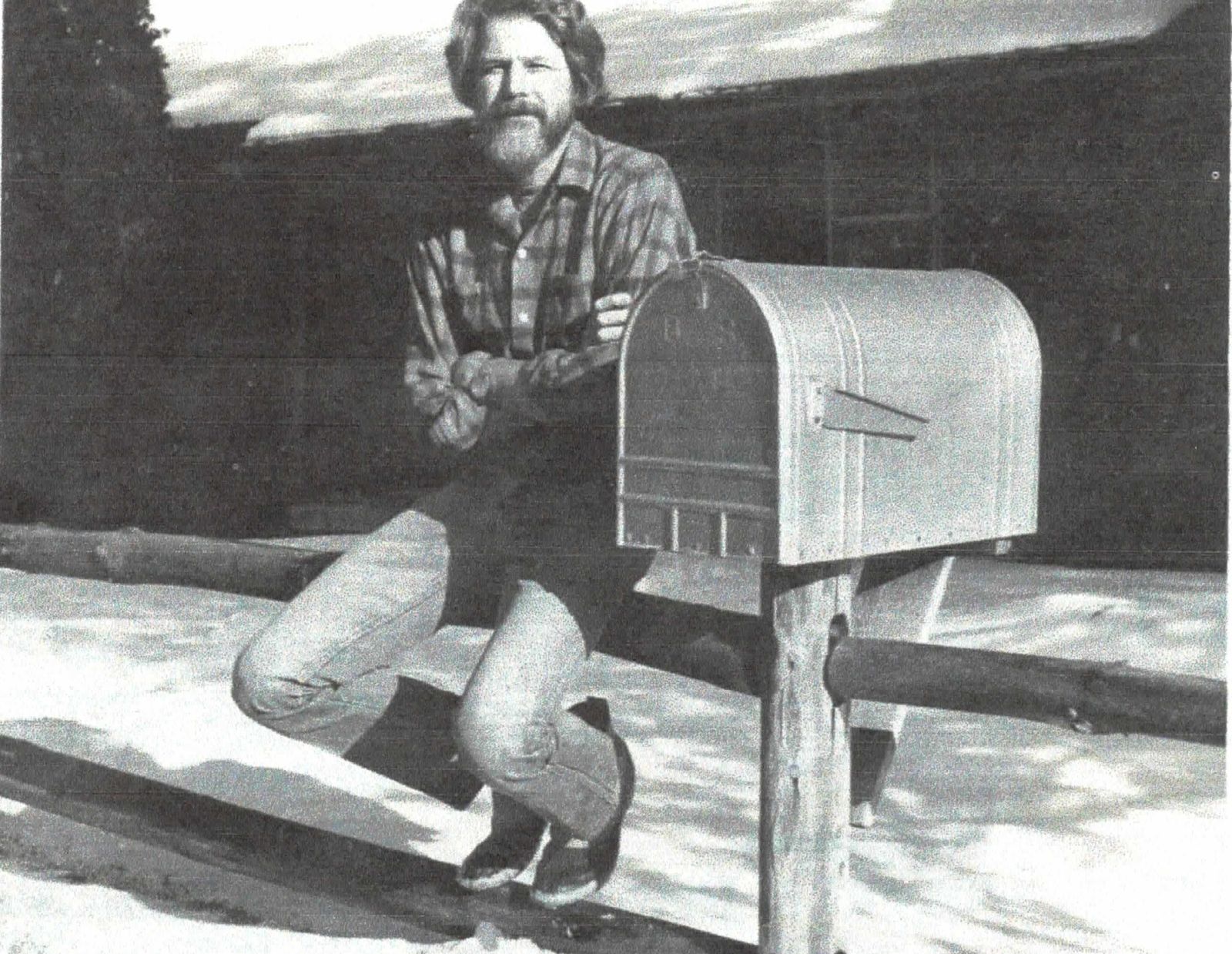
Practical considerations suggest that neither of Easton's corridors will survive critical study. But, from the earlier experience, the people of Easton recognize that practical considerations do not stand alone in the decision-making process. Compromise accommodates the differences of the strong at the expense of the weak.
It is not Easton's concern, alone. Neighbors in Franconia, a larger town whose comfortable livelihood fell victim to the Interstate system, have registered supporting arguments against the Easton corridors.
Littleton, New Hampshire, has been joined by St. Johnsbury, Vermont, to voice opposite views. Both communities have suffered deep and prolonged erosion of their local economies. The completion of I-93 is viewed as an essential prerequisite if the slide is to be reversed and a viable economic base restored. To these towns, the cost of compromise, whether it be to Franconia Notch or the Easton valley, is small when measured by the benefits they envision as accruing to the North Country. Were there quantitative statistics to support such a position, they would find no favor in Easton.
The matter is scheduled for resolve before the end of 1975. As long as it remains open, the people of Easton will share a common anguish. In their view, nothing is to be won—only a valley spared. Should reason fail, Easton, as they now know it, could be lost.
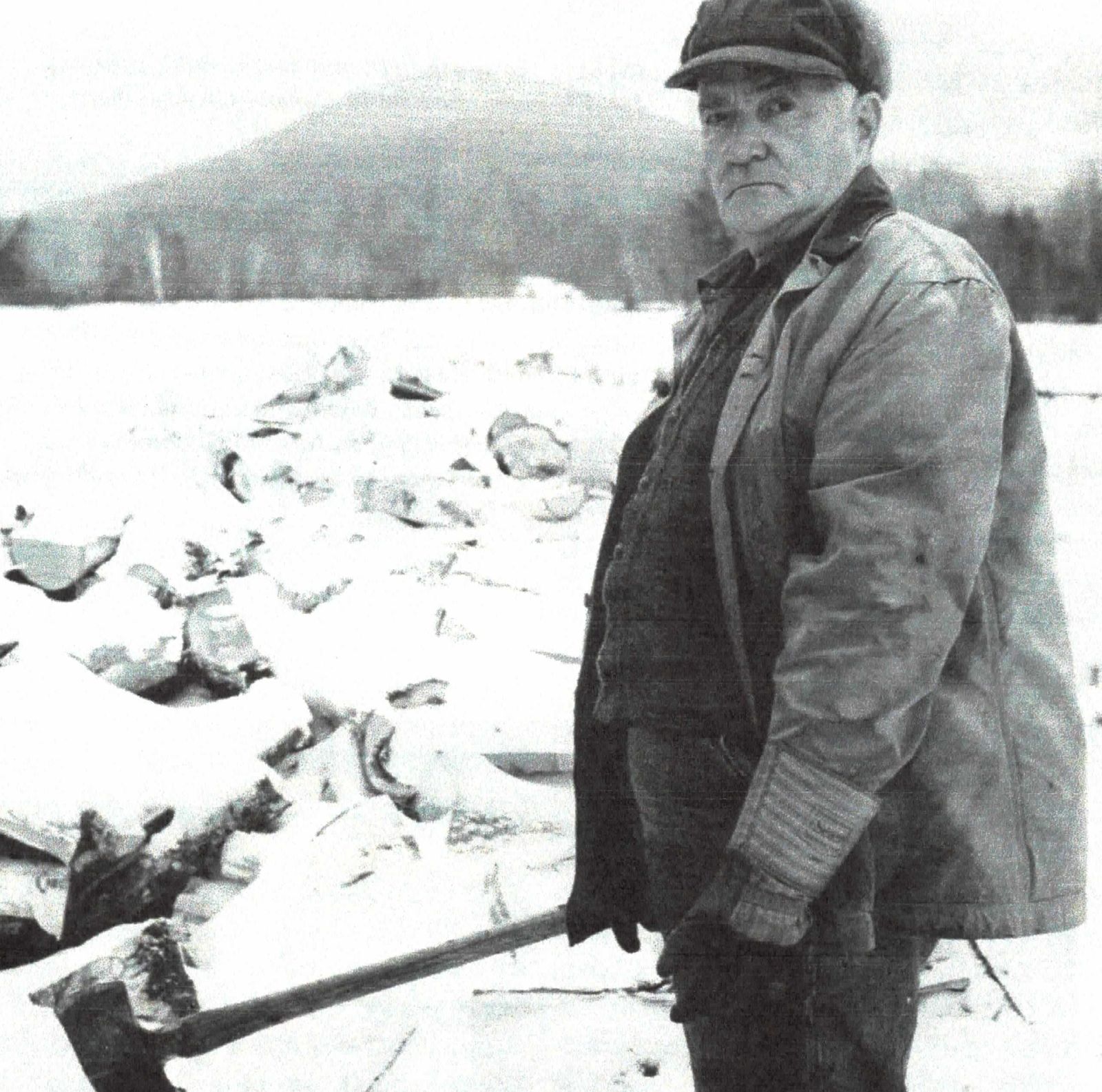
About this article
Stephen T. Whitney wrote this article, most likely in 1974 or 1975: it expects the route to be decided "before the end of 1975." Where it was first published isn't known. This version is transcribed from a paper copy . Whitney died in 2023.
Neither Easton corridor was built. In 1977 the state, the Society for the Protection of New Hampshire Forests and the Appalachian Mountain Club agreed on a narrower road through Franconia Notch itself, and Interstate 93 was completed in New Hampshire when the Franconia Notch Parkway was dedicated on June 2, 1988.
By Brian Suthoff · September 25, 2026